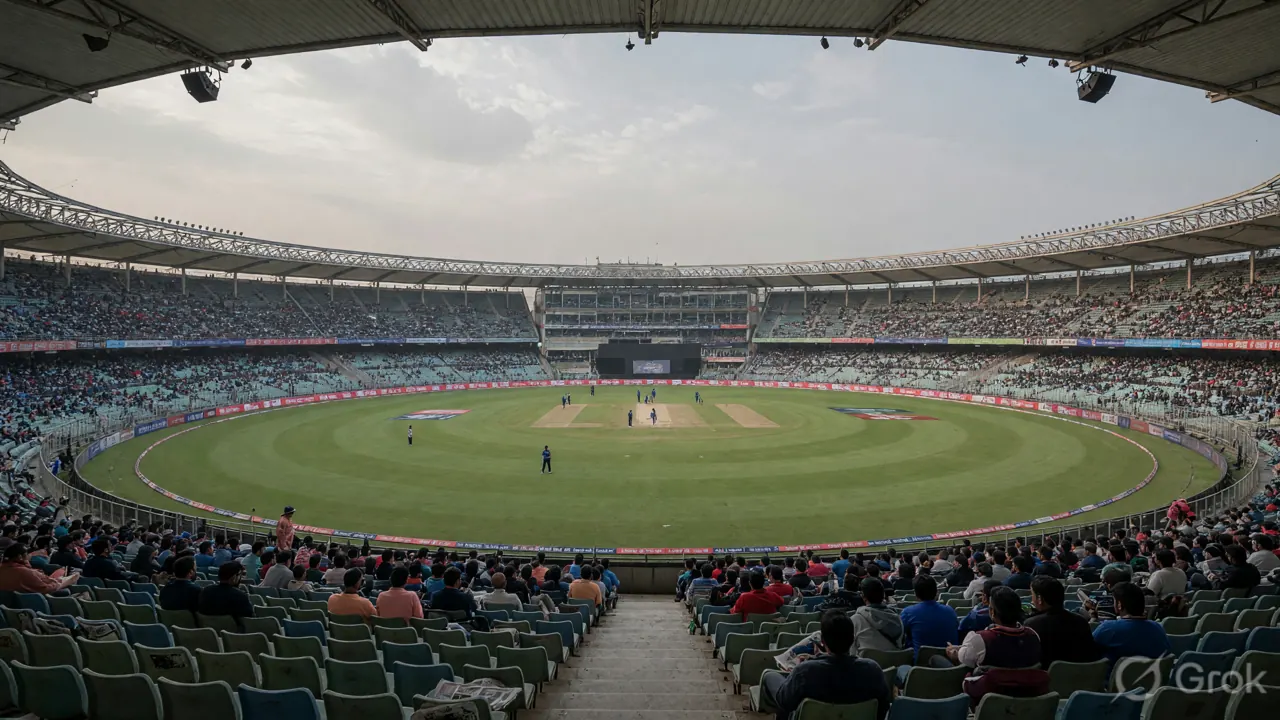
New Delhi Tigers meet Purani Delhi 6 in the 13th T20 of the Delhi Premier League 2026 at Arun Jaitley Stadium on Thursday, 6 August, with the first ball scheduled for 7:30 PM IST. Both sides entered the fixture with one win and two defeats from their opening three matches, so the evening presents an immediate chance to move away from a crowded early-season group.
The clearest contrast lies between New Delhi Tigers’ wider wicket-taking spread and Purani Delhi 6’s stronger individual batting returns. Lakshay Thareja had made 153 runs in three innings for the Tigers, while Purani Delhi captain Anuj Rawat had 159 from three matches. The numbers put two in-form wicketkeeper-batters at the centre of the contest, but the support around them points in different directions.
New Delhi Tigers take a narrow pre-match edge because Hrithik Shokeen, Manish Sehrawat and Pradyuman Sanan had each collected four wickets. Purani Delhi 6, by comparison, had Pankaj Jaiswal and Rajneesh Dadar leading their attack with three wickets apiece. That is not a guarantee of the result, particularly at a ground described as favourable for batting, but it gives the Tigers more proven ways to interrupt a partnership.
Match prediction rests on bowling depth
Both teams have already shown enough batting quality to make a simple top-order comparison misleading. Thareja’s 153-run start included two consecutive half-centuries, and Himmat Singh supplied acceleration with 61 from 25 balls against Outer Delhi Warriors. Those returns give New Delhi Tigers an anchor and an aggressive middle-order option rather than a single route to a competitive score.
Purani Delhi 6 can answer through Rawat and Dev Lakra. Rawat’s 159-run start contained a century and an unbeaten 49 in the victory over West Delhi Lions. Lakra had added 120 tournament runs, giving the side two batters with substantial early-season output. If they preserve wickets through the opening spell, Purani Delhi 6 have the personnel to set or chase the source article’s competitive range.
The difference is what happens when either leading pair is separated. New Delhi Tigers had three bowlers on four wickets, indicating that dismissals were not concentrated in one specialist’s spell. Purani Delhi 6 had two leading wicket-takers on three each. A batting-friendly surface can reduce the margin for error, so a team able to attack across more phases carries a modest structural advantage.
Arun Jaitley pitch report: plan around 170 to 180
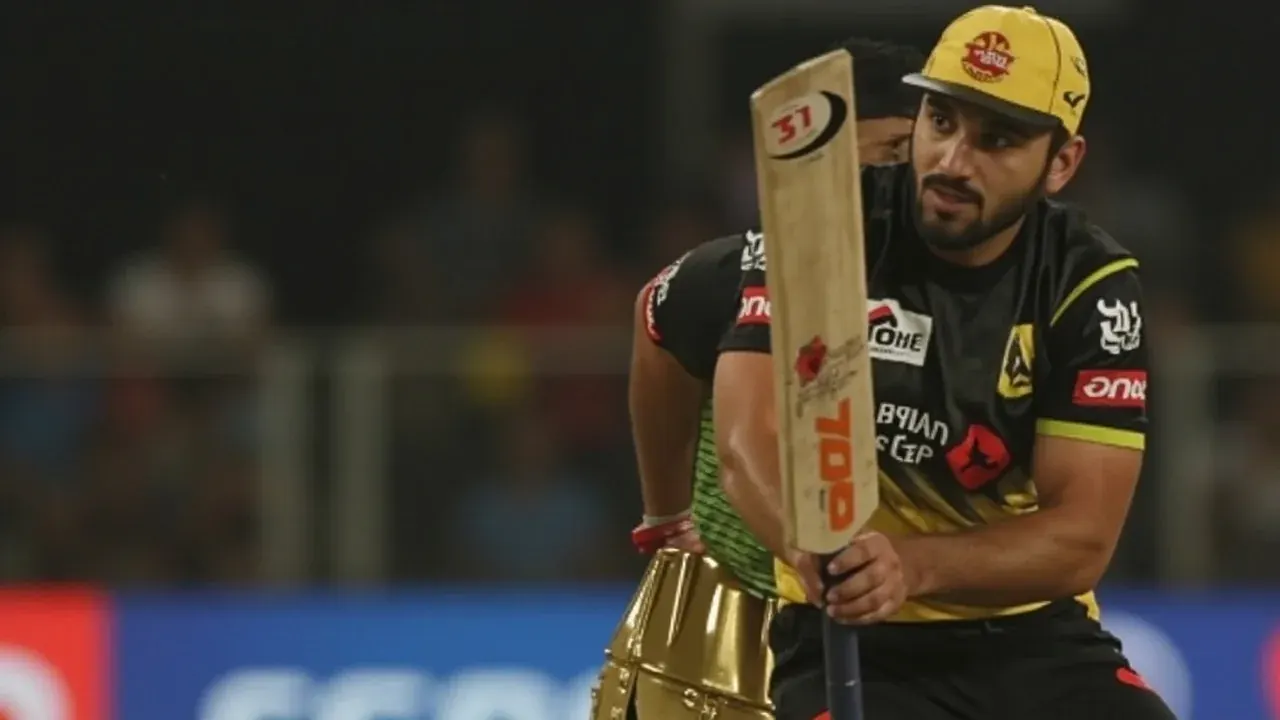
Arun Jaitley Stadium was described in the source as generally batting-friendly, with 170 to 180 identified as a competitive first-innings range. That range should be treated as a planning band rather than a promised par score. The first six overs, the quality of the new-ball spell and the number of wickets preserved for the closing phase can quickly move an innings outside it.
For New Delhi Tigers, the straightforward route is to let Thareja build the innings while preserving Himmat Singh’s ability to attack. A fast start is useful, but the more important outcome is reaching the middle overs with enough batting left to exploit the ground’s scoring conditions. Their bowling depth then becomes more valuable if the first innings creates a total that forces Purani Delhi 6 to keep taking risks.
Purani Delhi 6 need Rawat and Lakra to make the batting conditions count before the Tigers’ wicket-takers can control the tempo. A stable partnership can expose the gap between the two attacks because defending on a favourable batting surface requires repeated execution. Early wickets would reverse that equation and place pressure on a lineup whose strongest verified tournament returns sit near the top.
Source assessment for Arun Jaitley Stadium; actual conditions and confirmed teams remain decisive.
Toss trend: chasing may appeal, but the call is not a result
The source favoured bowling first after winning the toss, noting the ground’s consistent batting conditions and a better record for chasing teams. That is a reasonable tactical preference for an evening T20 because it replaces an estimated target with a known one. It should not be confused with a win probability on its own.
The toss matters most by revealing innings order and helping readers reassess player roles. A top-order batter in a chase may gain clarity from the required rate, while a wicket-taking bowler defending a sizeable total may receive more attacking opportunities. The actual decision also depends on the surface seen by the captains and the combinations they name at the toss.
Purani Delhi 6 won the only previous meeting between the teams, giving them useful evidence that their matchup can work. One result is still too small a sample to outweigh current form. The stronger approach is to combine that head-to-head result with the present run and wicket figures rather than allowing it to decide the forecast.
Probable playing XI and role map
The following combinations were listed as probable rather than confirmed. Any late change can alter batting position, wicketkeeping duties or bowling allocation, so the toss remains the final checkpoint. The most useful names are those whose expected role is supported by their recent output.
New Delhi Tigers probable XI
- Tanuj Pawar — batter
- Lakshay Thareja — opening batter
- Shivam Gupta — wicketkeeper-batter
- Himmat Singh — captain, batter
- Hrithik Shokeen — all-rounder
- Aaryan Sharma — batter
- Manish Sehrawat — all-rounder
- Yashjeet — bowler
- Laxman — bowler
- Pradyuman Sanan — fast bowler
- Rishabh Sharma — bowler
Purani Delhi 6 probable XI
- Aryan Gaur — batter
- Samarth Seth — batter
- Dev Lakra — batter
- Anuj Rawat — captain, wicketkeeper-batter
- Lalit Yadav — all-rounder
- Ashwini Chillar — batter
- Rohan Rathi — all-rounder
- Pankaj Jaiswal — bowler
- Prince Mishra — bowler
- Digvesh Rathi — spinner
- Rajneesh Dadar — fast bowler
Thareja and Rawat are the clearest batting anchors because their tournament output is verified and their likely roles place them close to the top. Himmat Singh carries high-impact potential after his 25-ball 61, although one innings alone should not be treated as a stable scoring floor. Lakra’s 120 runs make him the strongest supporting batting case for Purani Delhi 6.
Among the bowlers, Shokeen, Sehrawat and Sanan offer New Delhi Tigers three separate wicket-taking records. Sehrawat’s all-round designation adds another path to involvement if his batting position remains useful. Jaiswal and Dadar lead the Purani Delhi 6 bowling returns, but their three wickets each leave less statistical separation from the rest of the attack.
Player roles that can shape the 13th T20
Lakshay Thareja: innings anchor
His 153 runs and consecutive half-centuries make him the Tigers batter with the strongest verified base. The value comes from time at the crease as much as the raw total.
Anuj Rawat: primary run source
A century and an unbeaten 49 within 159 tournament runs show both ceiling and finishing ability. Purani Delhi 6’s chase becomes more stable if he survives the Tigers’ most productive spells.
Manish Sehrawat: two-discipline route
Four wickets place him level with the Tigers’ leading bowlers, while his all-round role may offer batting involvement. His exact place in the confirmed XI remains important.
Dev Lakra: partnership builder
His 120 runs reduce Purani Delhi 6’s dependence on Rawat. A substantial stand between them is the clearest route to neutralising New Delhi’s bowling spread.
Win probability: a measured Tigers advantage
New Delhi Tigers should be considered slight favourites, not overwhelming ones. Their advantage comes from balance: Thareja and Himmat Singh provide verified batting form, while three bowlers had reached four wickets. That combination offers more recovery routes if one phase goes badly.
Purani Delhi 6 remain fully capable of overturning that edge. Rawat had scored more tournament runs than any named Tigers batter, Lakra had reached 120, and Purani Delhi won the teams’ only previous meeting. A strong top-order partnership on a batting-friendly pitch can reduce the importance of the Tigers’ bowling depth.
A responsible pre-toss estimate is therefore New Delhi Tigers 56% and Purani Delhi 6 44%. The margin is intentionally narrow. It reflects the Tigers’ broader wicket-taking record while preserving substantial weight for Purani Delhi’s leading batters, previous head-to-head win and the uncertainty around final teams.
What to check when the toss is completed
First, confirm both opening combinations. Thareja’s value is closely connected to an opening role, while Rawat and Lakra need enough deliveries to turn their strong form into another substantial contribution. Any movement down the order lowers the certainty attached to their tournament totals.
Second, check the Tigers’ wicket-taking trio. If Shokeen, Sehrawat and Sanan are all selected with their expected responsibilities, the pre-match case for New Delhi remains intact. If one is absent or assigned a reduced role, the balance moves back toward Purani Delhi’s batting strength.
Third, use the captain’s decision as context rather than a shortcut. Bowling first may be attractive at Arun Jaitley Stadium, but the chase still depends on wickets preserved and the required rate. Confirmed player roles should carry more weight than a general toss trend.
Readers looking for the next evidence-led forecast can explore current cricket predictions and match analysis. The disciplined sequence is unchanged: confirm the XI, identify stable roles, read the pitch through those roles and keep the probability range wide enough to respect T20 variance.
How each innings can change the forecast
If New Delhi Tigers bat first, their best route is a controlled opening stand rather than an immediate assault. Thareja’s recent record supports a longer stay at the crease, and Himmat Singh’s 61 from 25 balls shows why the side does not need every batter to attack from the first over. Preserving wickets until the second half can create a platform for a total inside or above the 170–180 planning range.
A Tigers first innings also gives their bowlers a visible target. Shokeen, Sehrawat and Sanan can attack more confidently when scoreboard pressure forces Purani Delhi 6 to maintain a demanding rate. The danger is obvious: Rawat and Lakra have already produced enough runs to absorb a difficult start, so New Delhi cannot afford a loose spell after taking an early wicket.
If Purani Delhi 6 bat first, their strongest method is to make the top order carry the bulk of the innings. Rawat’s century proves he can supply a large individual contribution, while Lakra’s 120 tournament runs provide support rather than leaving the captain isolated. A substantial partnership between them would test whether the Tigers’ three leading wicket-takers can stay effective when the batters control the tempo.
Purani Delhi’s defence would then depend on Jaiswal and Dadar improving on a combined position of three wickets each. A total near 180 can create pressure, but the ground’s batting-friendly description means runs alone will not protect the innings. Their attack must either remove Thareja early or prevent Himmat Singh from entering against a settled, defensive field.
Why the forecast remains close
The teams share the same early record: one win and two defeats. That removes any justification for a lopsided call based on the table alone. New Delhi Tigers gain their edge through the distribution of wickets, while Purani Delhi 6 counter with the two highest verified batting totals in the matchup and the only previous head-to-head victory.
T20 matches also compress the effect of small advantages. One powerplay, one dropped chance or one over against a poorly matched bowler can move the contest faster than a pre-match model can react. A 56–44 split describes a preference, not certainty. It allows the confirmed numbers to matter without pretending that three matches provide a complete sample.
The probable XIs add another layer of uncertainty. They identify expected roles, but a late selection change can remove a bowler from the Tigers’ strongest group or alter the position of a Purani Delhi batter. The forecast should tighten only after the official team sheets show which players actually own the opening, middle-over and closing phases.
Reading the key player matchups
Thareja against Purani Delhi’s new-ball attack is the first matchup to watch. His two consecutive half-centuries show consistency across innings, but a fresh match still requires him to negotiate the phase in which movement and attacking fields are most available. Jaiswal or Dadar removing him early would expose a different version of the Tigers batting order.
Rawat against the Tigers’ wicket-taking group carries equal weight. His 159 runs show that Purani Delhi can build around him, yet New Delhi do not need one bowler to solve the matchup. Shokeen, Sehrawat and Sanan give the captain multiple points at which to change pace, angle or phase. That flexibility is the main reason the Tigers sit ahead in the forecast.
Himmat Singh’s value is more volatile. A 25-ball 61 demonstrates exceptional acceleration, but it does not establish that the same scoring rate will repeat. His influence rises if Thareja gives him a stable platform and falls if he must rebuild after early wickets. Treating role and entry point separately produces a more realistic expectation.
Final prediction
New Delhi Tigers hold the narrower but better-supported case before the toss. Their leading batter is in sustained form, Himmat Singh has supplied rapid scoring, and three bowlers share the team’s highest wicket return. On a surface where 170 to 180 is considered competitive, that breadth is valuable because it allows the Tigers to challenge Purani Delhi 6 even if Rawat or Lakra begins well.
Purani Delhi 6’s route is clear: protect Rawat and Lakra through the opening pressure, force New Delhi’s support bowlers to defend short boundaries and improve the collective return of the attack. Their previous win in the matchup prevents the forecast from becoming one-sided.
The pre-match call is New Delhi Tigers by a small margin, subject to the toss and confirmed teams. The decisive update at 7:30 PM IST will be whether the Tigers retain their three four-wicket options and whether Purani Delhi 6 preserve the batting order that produced 159 runs for Rawat and 120 for Lakra.